
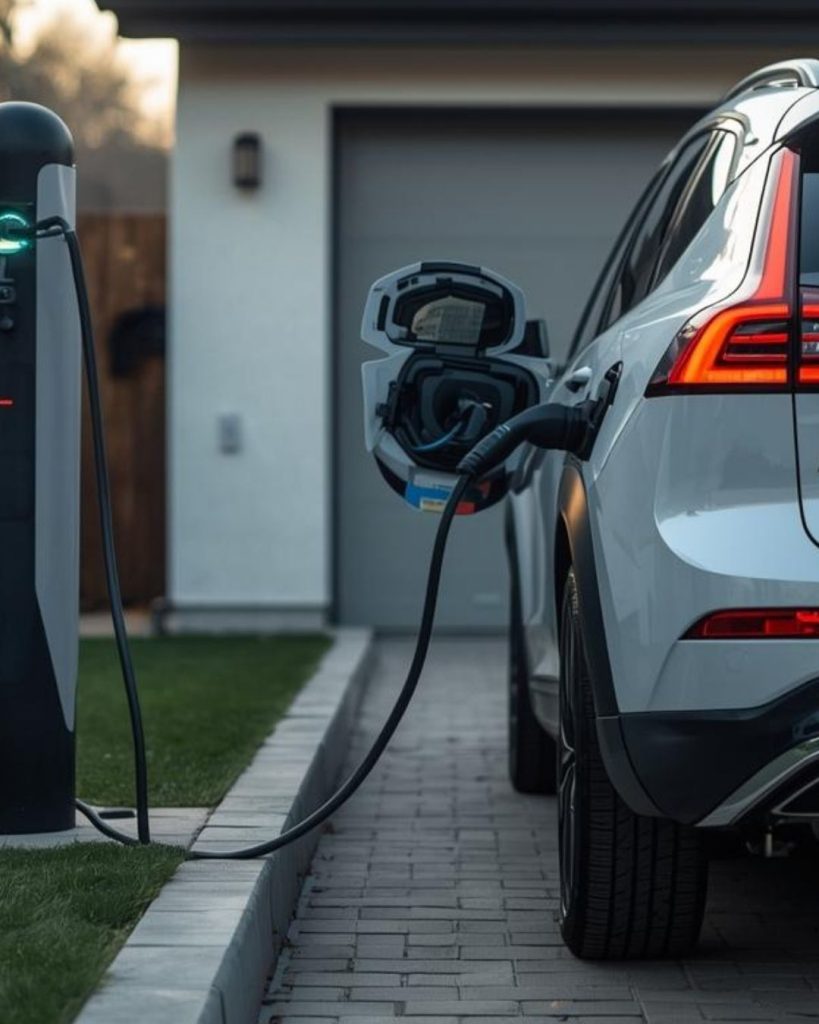
EV Charger Installation in Gravesend: What Homeowners Need to Know
With electric vehicles becoming increasingly popular, more homeowners are choosing to install EV chargers at home. Home charging is convenient, cost-effective and ensures your vehicle is always ready when you need it.
If you live in Gravesend and are considering a home EV charger, it’s important to understand what’s involved before installation. From electrical capacity to fuse board upgrades, this guide explains everything homeowners need to know.
Why Install a Home EV Charger?
While it’s possible to charge an electric vehicle using a standard 3-pin plug, this is slow and not designed for long-term, regular use. A dedicated EV charger is safer, faster and far more convenient.
Benefits of a home EV charger include:
- Faster charging times
- Improved electrical safety
- Lower charging costs compared to public chargers
- Convenience of charging overnight
- Increased property appeal for future buyers
For many homeowners, installing a charger quickly becomes an essential upgrade.
Can My Home Support an EV Charger?
Before installing an EV charger, your home’s electrical system needs to be assessed. Not all properties are immediately ready for EV charging, particularly older homes.
Key factors include:
- Available electrical capacity
- Condition of existing wiring
- Type and age of the consumer unit (fuse board)
- Earthing and bonding arrangements
An electrician will carry out checks to confirm whether your electrics can safely support the additional load.
Do I Need to Upgrade My Fuse Board?
In many cases, an EV charger installation requires a modern consumer unit with appropriate protection. Older fuse boards may lack RCD or RCBO protection, which is essential for EV charging safety.
You may need a fuse board upgrade if:
- Your consumer unit is outdated
- There is no RCD protection
- There is limited spare capacity
- Electrical testing highlights safety issues
Upgrading the fuse board ensures the charger can operate safely and compliantly.
Choosing the Right EV Charger for Your Home
There are several types of EV chargers available for domestic use. Choosing the right one depends on your vehicle, electrical supply and how you plan to use it.
Common considerations include:
- Charging speed (kW rating)
- Tethered vs untethered chargers
- Smart charging features
- Compatibility with your vehicle
A qualified electrician can advise on the most suitable charger for your needs and property.
Where Can an EV Charger Be Installed?
EV chargers are typically installed:
- On external walls near driveways
- In garages
- On designated parking areas
The location must allow safe cable routing and comply with installation regulations. Careful planning ensures the charger is both practical and discreet.
Planning Permission & Regulations
Most domestic EV charger installations do not require planning permission, provided they meet permitted development rules. However, there may be restrictions for:
- Listed buildings
- Conservation areas
- Flats or shared parking spaces
Your electrician can advise if any permissions or notifications are required.
How Long Does EV Charger Installation Take?
In most cases, EV charger installation is completed within a day. However, additional work such as fuse board upgrades or electrical improvements may extend the timeframe slightly.
The process typically includes:
- Electrical assessment
- Charger installation
- Testing and commissioning
- Certification
How Much Does It Cost to Install an EV Charger in Gravesend?
The cost of installing a home EV charger varies depending on:
- Charger type
- Distance from the consumer unit
- Condition of existing electrics
- Whether upgrades are required
While costs vary, a home charger is a long-term investment that often pays for itself through reduced charging costs and added convenience.
Safety & Certification
EV chargers must be installed by a qualified electrician to ensure safety and compliance. After installation, your electrician will test the system and provide certification confirming the work meets current regulations.
This documentation is important for:
- Insurance
- Warranty requirements
- Property sales
Should You Install an EV Charger Before Buying an Electric Car?
Many homeowners choose to install a charger before purchasing an EV. This ensures your home is ready and avoids last-minute delays once the vehicle arrives.
Installing early can also highlight any electrical upgrades needed, allowing them to be completed in advance.
Final Thoughts
Installing a home EV charger is one of the most practical upgrades for modern homeowners. With the right planning and professional installation, you can enjoy faster, safer and more convenient charging at home.
If you’re considering EV charging, speaking to a qualified local electrician early ensures your installation is safe, compliant and future-proof.